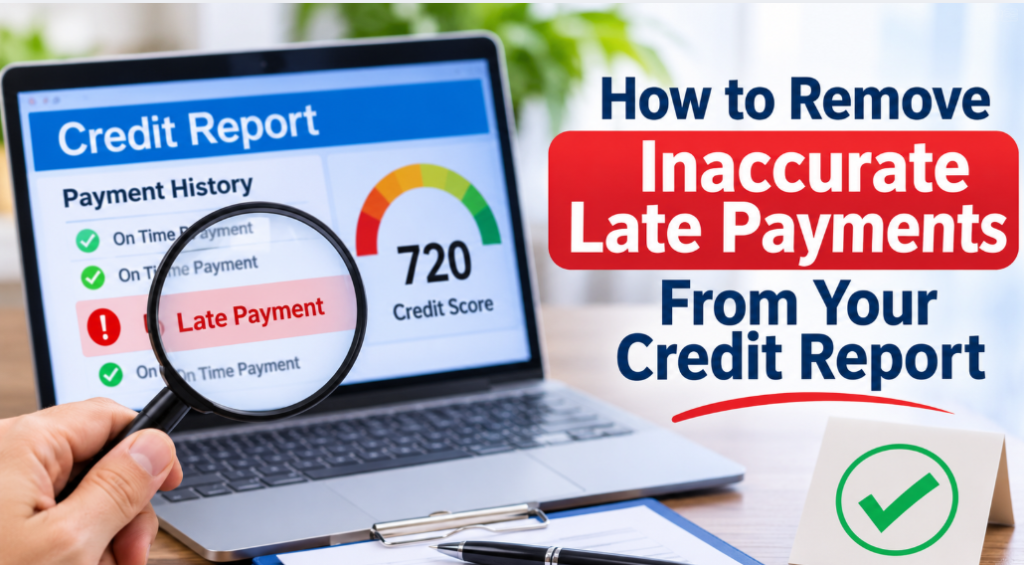
Late payments on a credit report can create challenges when applying for credit cards, auto loans, mortgages, or other financial opportunities. Even a single incorrectly reported late payment may negatively affect your credit profile. For consumers in late payments New Jersey, understanding how to identify and dispute inaccurate payment information is an important step toward maintaining a healthy credit history.
At Better Qualified, we provide professional credit repair services designed to help individuals identify credit report errors, address inaccurate information, and work toward improving their overall credit profile. If your credit report contains a late payment that does not accurately reflect your payment history, taking the appropriate steps may help you get it corrected.
What Is an Inaccurate Late Payment on a Credit Report?
An inaccurate late payment occurs when a creditor or credit bureau reports payment information that does not match your actual account history.
Credit reports from Equifax, Experian, and TransUnion contain information supplied by lenders and financial institutions. Sometimes, mistakes can occur during the reporting process.
Common examples of inaccurate late payment reporting include:
- Incorrect payment dates: A payment was made on time but reported as late.
- Duplicate late payment entries: The same late payment appears more than once.
- Incorrect account information: A late payment is associated with the wrong account.
- Payments incorrectly marked as missed: Your creditor received the payment, but the report shows it as unpaid.
- Identity-related errors: An account belonging to another individual appears on your credit report.
- Outdated or incorrect payment status: Account information does not accurately reflect the current reporting status.
Identifying these errors is the first step toward correcting your credit report.
How to Remove Inaccurate Late Payments From Your Credit Report
1. Review Your Credit Reports From All Three Bureaus
Start by reviewing your credit reports from Equifax, Experian, and TransUnion. A late payment may appear on one report but not on the others.
You can obtain your reports through AnnualCreditReport.com.
Carefully examine your account details, payment history, account status, and reported dates. Look for discrepancies between your actual payment records and the information displayed on your credit report.
For additional help understanding credit report inaccuracies, visit our Credit Report Error Dispute in New Jersey article.
2. Gather Documents Supporting Your Dispute
Before submitting a dispute, collect documents that demonstrate why the late payment is inaccurate.
Useful supporting documents may include:
- Bank statements showing the payment transaction
- Payment confirmation receipts
- Creditor account statements
- Emails or letters from your lender
- Records of payment arrangements
- Relevant account correspondence
Having supporting evidence can help explain the issue clearly and make it easier for the credit bureau or creditor to investigate.
3. Submit a Dispute to the Credit Bureau
If you discover an inaccurate late payment, you can dispute the information with the credit reporting bureau that displays the error.
Your dispute should clearly explain:
- Which account contains the inaccurate late payment
- The specific payment date or status you believe is incorrect
- Why the information does not match your records
- What correction you are requesting
- Which documents support your claim
You may submit your dispute online, by mail, or through the bureau’s available dispute channels.
Under the Fair Credit Reporting Act (FCRA), credit reporting agencies generally must investigate disputes, typically within 30 days, subject to certain exceptions.
4. Contact the Creditor That Reported the Late Payment
It is also important to contact the company that supplied the inaccurate information.
For example, if your credit card company incorrectly reported a payment as late, contact its credit reporting or dispute department. Explain the discrepancy and provide supporting documents.
The creditor may review its payment records and correct the information if an error is confirmed.
Disputing the error with both the credit bureau and the information provider can help ensure that the issue is addressed at its source.
5. Monitor Your Credit Report After the Investigation
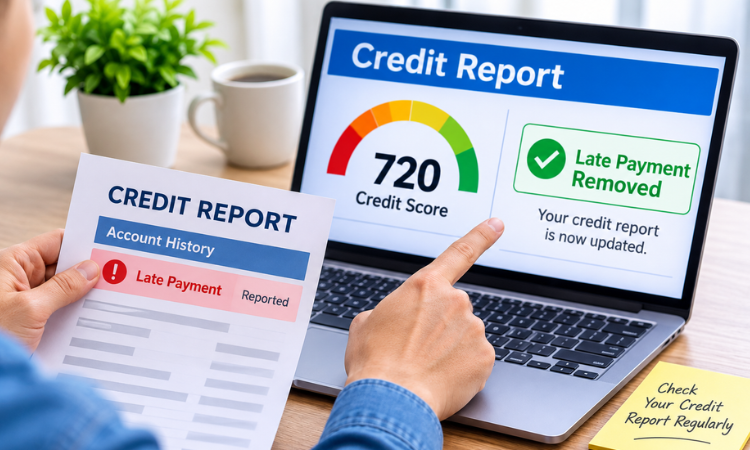
Once the investigation is complete, review the updated credit report to confirm whether the inaccurate late payment has been corrected or removed.
Keep copies of your dispute letters, supporting documents, and investigation results.
If the error remains unresolved, you may consider submitting additional evidence, requesting a review of the dispute results, or filing a complaint with the Consumer Financial Protection Bureau (CFPB), when appropriate.
Can Accurate Late Payments Be Removed From a Credit Report?
Not every late payment can be removed.
If a payment was genuinely late and the creditor reports it accurately, it generally cannot be removed simply because it negatively affects your credit score.
Accurate negative payment information may generally remain on a credit report for up to seven years, depending on the applicable reporting rules.
However, you can contact your creditor and request a goodwill adjustment if you have a history of responsible payments and experienced an isolated financial difficulty. A creditor may consider the request, but approval is not guaranteed.
It is important to avoid companies that promise to remove every negative item or guarantee a specific credit score. Reliable credit repair focuses on correcting legitimate errors and helping consumers develop better credit habits.
How Better Qualified Helps With Credit Report Errors
If inaccurate late payments are affecting your credit profile, Better Qualified can help you understand your options.
Our approach to Credit Repair Services in New Jersey includes reviewing credit reports, identifying potential inaccuracies, and helping address eligible reporting concerns.
Our credit repair process focuses on:
- Credit Report Analysis: Reviewing your credit reports to identify possible inaccuracies, outdated information, and reporting concerns.
- Dispute Assistance: Helping challenge information that is inaccurate, incomplete, or unverifiable.
- Creditor Communication: Assisting with communication and follow-up regarding eligible credit reporting issues.
- Personalized Credit Support: Providing guidance based on your credit profile and financial goals.
- Credit Monitoring and Education: Helping you understand your credit information and maintain responsible financial habits.
Learn more about our professional credit repair services and how our team supports consumers working toward stronger credit profiles.
Tips to Prevent Future Late Payments
After addressing inaccurate information, maintaining a consistent payment history is essential.
Consider the following practices:
- Set up automatic payments for recurring bills.
- Use calendar reminders for payment due dates.
- Maintain sufficient funds in your payment account.
- Review monthly statements for errors.
- Contact creditors early if you anticipate payment difficulties.
- Monitor your credit reports regularly.
These habits can help reduce the risk of future payment issues and support long-term credit health.
Frequently Asked Questions
1. How can I remove an inaccurate late payment from my credit report?
You can dispute the inaccurate information with the credit bureau and the creditor that reported it. Provide supporting documents and request an investigation. If the information is found to be incorrect, it should be corrected or removed.
2. How long does it take to dispute a late payment?
Credit reporting agencies generally investigate disputes within 30 days. Certain circumstances may extend the investigation period, so the actual timeline can vary.
3. Can a late payment be removed if I already paid the bill?
Paying a past-due bill does not automatically remove an accurately reported late payment. However, if the payment history was reported incorrectly, you may dispute the error. You may also request a goodwill adjustment from the creditor.
4. Will removing an inaccurate late payment improve my credit score?
Correcting an inaccurate late payment may improve your credit score, depending on the scoring model and other information in your credit report. However, a specific score increase cannot be guaranteed.
5. Can Better Qualified help me dispute inaccurate late payments?
Better Qualified offers credit repair services that include credit report analysis, dispute assistance, and personalized support. Our team can help you understand potential reporting errors and available next steps.
Final Thoughts
Inaccurate late payments can affect your credit profile and create unnecessary financial challenges. By reviewing your credit reports, gathering supporting documents, and submitting disputes through the appropriate channels, you can take meaningful steps toward correcting reporting errors.
For New Jersey consumers, professional credit repair support may make the process easier to understand and manage.
If you are concerned about inaccurate late payments or other credit report errors, Better Qualified is here to help you explore your options and work toward a healthier credit profile.
Conatct us BetterQualified to learn more about our credit repair services or contact our team for a consultation.