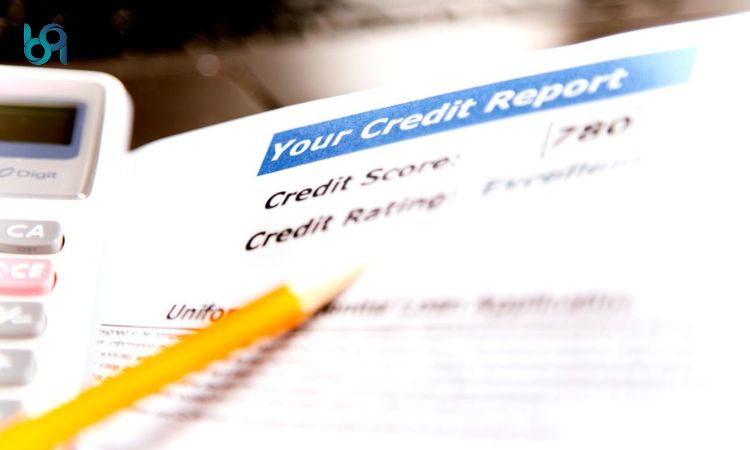
Improve Your Credit Score Fast | Expert Credit Repair Services
Your credit score plays a major role in your financial life. Whether you’re applying for a mortgage, auto loan, credit card, or even renting a home, lenders and financial institutions often review your credit history before making decisions. A strong credit profile can help you qualify for better rates, higher limits, and more financial opportunities.
At Better Qualified, individuals and businesses can access professional credit solutions designed to help improve financial standing and create stronger borrowing opportunities.
Why Your Credit Score Matters
A credit score is a numerical representation of your creditworthiness. It helps lenders determine how responsibly you manage debt and payments. A higher score often leads to better financial benefits, including:
Lower interest rates on loans
Better approval chances for credit cards
Easier mortgage qualification
Improved financing options for vehicles
Better business funding opportunities
Greater financial flexibility
Even a modest credit score improvement can potentially save thousands of dollars over time.
1. Review Your Credit Report Carefully
The first step toward improving your credit score is understanding what appears on your credit report.
Common issues may include:
Incorrect account information
Duplicate accounts
Reporting errors
Outdated collections
Unauthorized accounts
Incorrect payment history
Reviewing your credit reports can help identify negative items that may be impacting your score.
2. Dispute Inaccurate Information
Errors on your credit report can lower your score unfairly. If inaccurate or unverifiable information appears on your report, you have the right to challenge it.
Items commonly disputed include:
Late payment errors
Collection account mistakes
Charge-offs
Identity theft-related accounts
Duplicate debt entries
Professional credit assistance can help simplify the dispute process and ensure your rights are protected.
3. Reduce Credit Card Balances
Credit utilization the amount of available credit you’re using—can significantly impact your score.
For best results:
Keep credit utilization below 30%
Pay down revolving balances
Avoid maxing out credit cards
Make multiple payments during the month if possible
Lower utilization often contributes to healthier credit performance.
4. Build Positive Payment History
Payment history is one of the biggest factors affecting your credit score.
Ways to improve payment history:
Pay all bills on time
Set up automatic payments
Use payment reminders
Prioritize minimum payments when needed
Consistency can help strengthen your credit profile over time.
5. Avoid Unnecessary Credit Applications
Every new credit application may result in a hard inquiry.
To protect your score:
Avoid applying for multiple accounts at once
Only apply for credit when necessary
Focus on managing current accounts responsibly
Maintaining stable credit activity often supports long-term improvement.
Why Choose Professional Credit Support?
Improving credit can feel complicated. Professional guidance can help identify errors, create personalized strategies, and provide long-term financial education.
Better Qualified offers credit-focused services designed to help clients build stronger financial futures.
Frequently Asked Questions
1. How long does it take to improve a credit score?
Credit improvement timelines vary depending on your credit history, reporting issues, and repayment habits. Some people may notice changes within a few months, while others may need longer.
2. Can inaccurate items be removed from my credit report?
Yes. If information is inaccurate, outdated, or cannot be properly verified, it may be eligible for correction or removal through the dispute process.
3. What is considered a good credit score?
Generally, a credit score above 670 is considered good, although lender requirements can vary.
4. Does checking my own credit score hurt my credit?
No. Checking your own credit typically results in a soft inquiry, which does not affect your score.
5. How much credit card utilization is recommended?
Most financial experts recommend keeping credit utilization below 30%, with lower percentages often being even better.
6. Can professional credit services help improve my score?
Professional credit services may help identify reporting errors, guide disputes, and create personalized strategies for credit improvement.
Final Thoughts
Building better credit takes time, consistency, and the right strategy. By reviewing your reports, disputing errors, lowering balances, and making on-time payments, you can create stronger financial opportunities for the future.
If you're looking for expert guidance, Contact Better Qualified provides professional support designed to help individuals and businesses move toward better credit health.
