
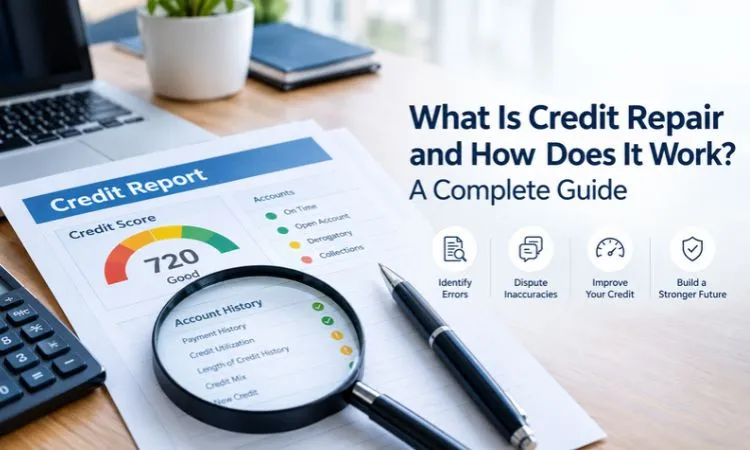
What Is Credit Repair and How Does It Work? A Complete Guide
Your credit history can affect your ability to qualify for credit cards, auto loans, mortgages, and other financial products. If your credit report contains inaccurate information or your credit score has declined, understanding credit repair can help you determine the next steps.
Credit repair involves identifying and addressing inaccurate, incomplete, outdated, or unverifiable information on your credit reports. The process may include reviewing account details, gathering supporting documents, and disputing errors with credit bureaus or the companies that supplied the information.
At Better Qualified, we help consumers understand their credit profiles and explore options for addressing eligible credit reporting issues. Understanding how credit repair works can help you make informed decisions about your financial future.
In this article, we explain what credit repair is, how the process works, which credit report errors may be disputed, and how professional credit repair services may help.
1. What Is Credit Repair?
Credit repair is the process of reviewing your credit reports and taking appropriate action to address information that may be inaccurate or improperly reported.
In the United States, Equifax, Experian, and TransUnion are the three major nationwide credit reporting companies. They collect information about your credit accounts, payment history, balances, and other financial activities.
Sometimes, credit reports contain errors that may negatively affect your credit profile. Examples include incorrectly reported late payments, unfamiliar accounts, duplicate entries, and inaccurate account balances.
Credit repair focuses on identifying these issues and requesting corrections when there is a legitimate basis for a dispute.
Can Credit Repair Remove Negative Information?
Not all negative information qualifies for removal. Accurate and properly reported negative information generally cannot be removed simply because it lowers your credit score.
However, inaccurate, incomplete, outdated, or unverifiable information may qualify for correction or removal, depending on the circumstances and applicable laws.
The goal of legitimate credit repair is to improve the accuracy of your credit reports rather than erase an accurate credit history.
2. How Does Credit Repair Work?
The credit repair process generally involves several steps. The exact process depends on your credit situation and the nature of the reporting issues.
Step 1: Review Your Credit Reports
Start by reviewing your credit reports from Equifax, Experian, and TransUnion. Check your personal information, account balances, payment history, collection accounts, and credit inquiries.
You can obtain free credit reports through AnnualCreditReport.com.
Reviewing all three reports can help you identify discrepancies because the information reported by each bureau may differ.
Step 2: Identify Potential Errors
Look for information that does not match your financial records. This may include payments incorrectly marked as late, accounts you do not recognize, duplicate debts, or balances that do not reflect payments you made.
Not every negative item is an error. Before disputing an entry, determine why you believe the information is inaccurate.
Step 3: Gather Supporting Documents
Collect documents that help explain the issue. Depending on your situation, these may include bank statements, payment confirmations, account statements, creditor correspondence, or account closure records.
Clear documentation can help support your explanation and make it easier for the relevant company to investigate the dispute.
Step 4: Submit a Credit Report Dispute
You can generally dispute inaccurate information directly with the relevant credit bureau. You may also contact the creditor, lender, or collection agency that supplied the information.
Explain which entry you believe is incorrect, why it is inaccurate, and what supporting evidence you have. Keep copies of your dispute and related documents.
Step 5: Review the Investigation Results
Credit reporting agencies generally have 30 days to investigate a dispute under the Fair Credit Reporting Act, although certain circumstances may allow additional time.
After the investigation, review the results and check whether the information was corrected, removed, or retained.
If you still believe the information is inaccurate, consider reviewing the investigation results and submitting additional relevant evidence where appropriate.
Step 6: Maintain Healthy Credit Habits
Correcting reporting errors is only one part of maintaining a healthy credit profile. Paying bills on time, managing credit card balances, limiting unnecessary applications, and monitoring your reports can support long-term credit management.
3. What Types of Credit Report Errors Can Be Disputed?
Understanding common credit report errors can help you recognize when further investigation may be necessary.
·Incorrect Late Payments: A payment may be incorrectly reported as late even though you paid on time. If your bank records or payment confirmations support your position, you can dispute the inaccurate entry.
·Accounts That Do Not Belong to You: An unfamiliar account may result from a reporting error, a mixed credit file, or identity theft. Review the account details and contact the relevant credit bureau or creditor to investigate the issue.
·Duplicate Collection Accounts: A collection account may appear more than once because of duplicate or incorrect reporting. Multiple entries do not automatically establish an error, so review the account details and underlying information carefully.
·Incorrect Account Balances: Your credit report may show a balance that does not reflect a payment or adjustment. Compare the reported amount with your account statements and dispute any supported inaccuracies.
·Incorrect Account Status: An account may be reported as open when it has been closed or as unpaid when it has been paid. If the reporting does not match the account records, you can request an investigation.
·Unfamiliar Credit Inquiries: If you do not recognize a credit inquiry, determine whether it relates to a credit application or another permissible purpose. If you believe it is incorrect or unauthorized, ask the relevant company and credit bureau to investigate.
Consumers can learn more about correcting credit report errors through the Federal Trade Commission.
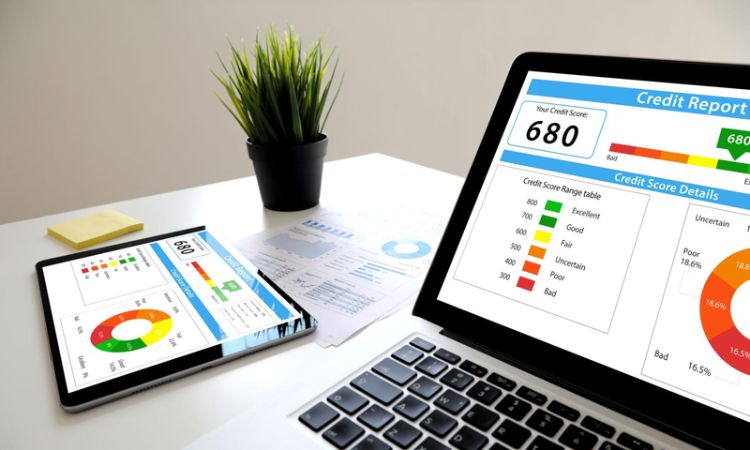
4. Can Credit Repair Improve Your Credit Score?
Credit repair may help improve your credit profile when inaccurate information is corrected. However, the effect on your credit score depends on the information involved and the scoring model used.
For example, correcting an incorrectly reported late payment may benefit your credit profile if that entry was negatively affecting your score. Correcting an inaccurate account balance may also influence how your credit information is evaluated.
However, credit repair does not guarantee a specific credit score increase.
Your score may also depend on several factors:
Payment history: Whether you make payments according to the terms of your accounts.
Credit utilization: How much of your available revolving credit you use.
Length of credit history: How long your credit accounts have been established.
Credit mix: The types of credit accounts in your history.
New credit applications: Recent applications and associated hard inquiries.
Different scoring models may weigh these factors differently.
To support credit score improvement, consider paying bills on time, keeping credit card balances manageable, avoiding unnecessary applications, and monitoring your credit reports regularly.
For additional information, read our related article on How to Improve Your Credit Score.
5. How Long Does Credit Repair Take?
There is no single timeline for credit repair. The process depends on the complexity of the issue, the documents available, and the response from the credit bureau or information provider.
Many credit report disputes are investigated within approximately 30 days, although some cases can take longer.
It is important to understand that an investigation timeline is not a guarantee of credit score improvement within the same period.
Factors that can affect the process include:
The number and complexity of disputed entries.
The quality of supporting documentation.
The companies involved in the investigation.
Whether additional information or follow-up is necessary.
Other factors affecting your overall credit profile.
Even when an error is corrected, your credit score may not change immediately or by a predictable amount.
6. DIY Credit Repair vs. Professional Credit Repair Services
Consumers can dispute inaccurate credit report information themselves without hiring a credit repair company. However, some people prefer professional assistance when reviewing complicated reports or managing multiple potential errors.
Do-It-Yourself Credit Repair
DIY credit repair allows you to control the process independently.
Potential advantages include:
Avoiding fees for professional dispute assistance.
Managing your own documents and correspondence.
Learning more about your credit reports.
Working at your own pace.
However, you will need to identify potential errors, prepare supporting documentation, submit disputes, and follow up on the results yourself.
Professional Credit Repair Services
Professional credit repair services may help consumers review credit reports, identify potential inaccuracies, organize supporting documents, and navigate eligible disputes.
Potential benefits include assistance understanding credit report information and support with dispute preparation and follow-up.
However, these services cost money, and their results are not guaranteed. Consumers should review the company's fees, service agreement, cancellation terms, and legal disclosures before enrolling.
Which Option Should You Choose?
If you have identified a straightforward error and feel comfortable managing the process, you may prefer to dispute it yourself.
If your reports contain multiple complicated issues or you want help navigating the process, professional assistance may be worth considering.
Compare the cost and scope of the service with the free options available to you before making a decision.
7. What Should You Look for in a Credit Repair Company?
Choosing a credit repair provider requires careful research. A reputable company should explain its services clearly, provide realistic expectations, and respect your consumer rights.
Before selecting a provider, consider the following:
Transparent pricing: Understand the fees, billing arrangements, and services included.
Clear service terms: Review the contract, cancellation policy, and any applicable disclosures.
Realistic claims: Be cautious of companies that guarantee a specific score increase or promise to remove every negative item.
A legitimate dispute process: A provider should explain how it identifies and addresses potential reporting errors without encouraging false disputes.
Clear communication: Ask how progress is reported and how investigation results are shared.
Consumers should also understand their right to dispute inaccurate information themselves. In the United States, credit repair companies must comply with applicable federal and state requirements, including relevant consumer protection laws.
8. How Better Qualified Can Help
At Better Qualified, our focus is helping consumers understand their credit profiles and explore appropriate options for addressing credit reporting concerns.
Every credit situation is different. Some consumers may discover a single inaccurate entry, while others may need assistance reviewing several accounts or understanding complicated reporting issues.
Our credit repair services are designed to help consumers navigate the process of reviewing credit information and addressing eligible disputes.
Depending on the services selected and the client's circumstances, the process may include:
Reviewing credit report information.
Identifying potential inaccuracies that warrant investigation.
Organizing information relevant to eligible disputes.
Supporting the dispute process with relevant credit reporting companies or information providers.
Reviewing progress and explaining possible next steps.
The appropriate approach depends on the facts of each case. No company can guarantee the removal of accurate negative information or a particular credit score increase.
If you want to understand your options, Contact us at Better Qualified to learn more about our services.

9. Frequently Asked Questions
1. What Is Credit Repair in Simple Terms?
Credit repair involves reviewing credit reports and addressing inaccurate, incomplete, outdated, or unverifiable information. The process may include submitting disputes to credit bureaus or the companies that supplied the information.
2. Does Credit Repair Really Work?
Credit repair can help when inaccurate information is corrected or removed following an appropriate investigation. However, not every dispute succeeds, and credit score improvements are not guaranteed.
3. Can I Repair My Credit Myself?
Yes. You can obtain your credit reports, identify potential errors, gather supporting documents, and dispute inaccurate information yourself without hiring a credit repair company.
4. Can Credit Repair Remove Collections?
An inaccurate, duplicate, or improperly reported collection account may qualify for correction or removal. An accurate collection account is not automatically eligible for removal simply because it is disputed.
5. Will Credit Repair Increase My Credit Score?
Your score may improve if relevant inaccurate information is corrected. The result depends on your overall credit profile and the scoring model used.
6. Where Can I Get My Free Credit Reports?
Consumers in the United States can obtain free credit reports from Equifax, Experian, and TransUnion through AnnualCreditReport.com.
10. Final Thoughts
Credit repair can be an important step toward understanding your credit history and addressing inaccurate information on your credit reports.
By reviewing your reports, identifying potential errors, gathering supporting documentation, and following the appropriate dispute process, you can take informed steps toward improving the accuracy of your credit profile.
Maintaining timely payments, managing credit balances, and monitoring your reports can also support your long-term financial goals.
At Better Qualified, we help consumers explore credit repair options and navigate eligible credit reporting issues through a structured process.
Ready to learn more about your credit repair options? Visit Better Qualified to explore our services and take the next step toward better-informed credit management.