Collection Account Disputes in New Jersey: Your Rights & How to Fight Back
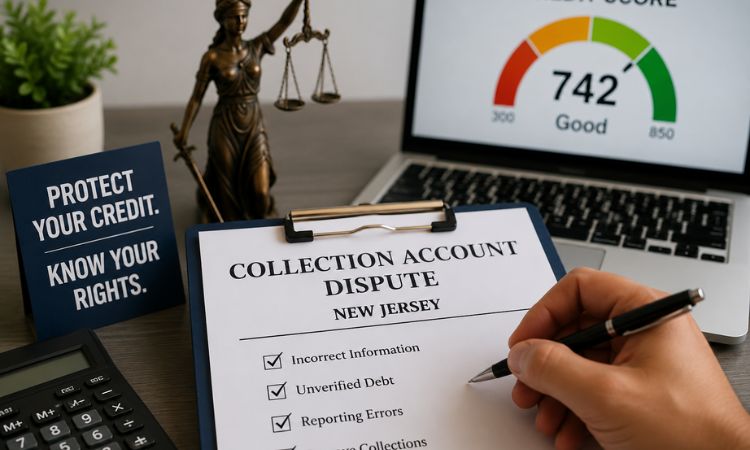
New Jersey consumers have the legal right to dispute collection accounts that are inaccurate, unverified, or outdated. Under federal and state law, a collector must send you written notice within five days of first contact that includes the amount of the debt, the name of the creditor, and your right to Collection Account Disputes it and if you don't believe you owe the debt, you can send a written dispute within 30 days of receiving the validation notice.
Why Collection Accounts Hurt Your Credit
A collection account is one of the most damaging items on a credit report. Banks and lenders typically consider any score below 650 as high risk, which may prevent you from getting a home mortgage at the best rates, financing a car, or getting credit from prime issuers at lower interest rates. For New Jersey residents where housing and living costs run high a single collection entry can cost you thousands in higher interest.
Your Dispute Rights in New Jersey
New Jersey consumers benefit from two layers of protection. While the Fair Debt Collection Practices Act (FDCPA) governs collections at the federal level, New Jersey adds its own layer of protections and procedures that collection professionals need to follow.
Even better for Garden State residents: under the federal FDCPA, only third-party debt collectors and debt buyers are covered but under New Jersey law, both the original creditor AND the debt collector are covered.
Key rights include:
Debt validation: The collector must stop collection efforts until they verify the debt.
Statute of limitations: The statute of limitations for most debts in New Jersey is six years from the date of last payment or default after this period, collectors cannot sue to collect the debt.
Damages for violations: Under the FDCPA, you can sue any third-party collector for violations and recover actual damages, statutory damages up to $1,000 per case, and your attorney fees.
How to Dispute a Collection Account (Step-by-Step)
Pull all three credit reports and identify the collection entry.
Request debt validation in writing send it by certified mail with return receipt requested.
Dispute inaccuracies with the credit bureaus and the collector.
Document everything: save every letter, write down the date and time of every call, and note what the collector said this documentation is critical if you need to file a complaint or lawsuit.
Escalate if needed file a complaint with the CFPB at consumerfinance.gov/complaint.
Why New Jersey Consumers Trust Better Qualified
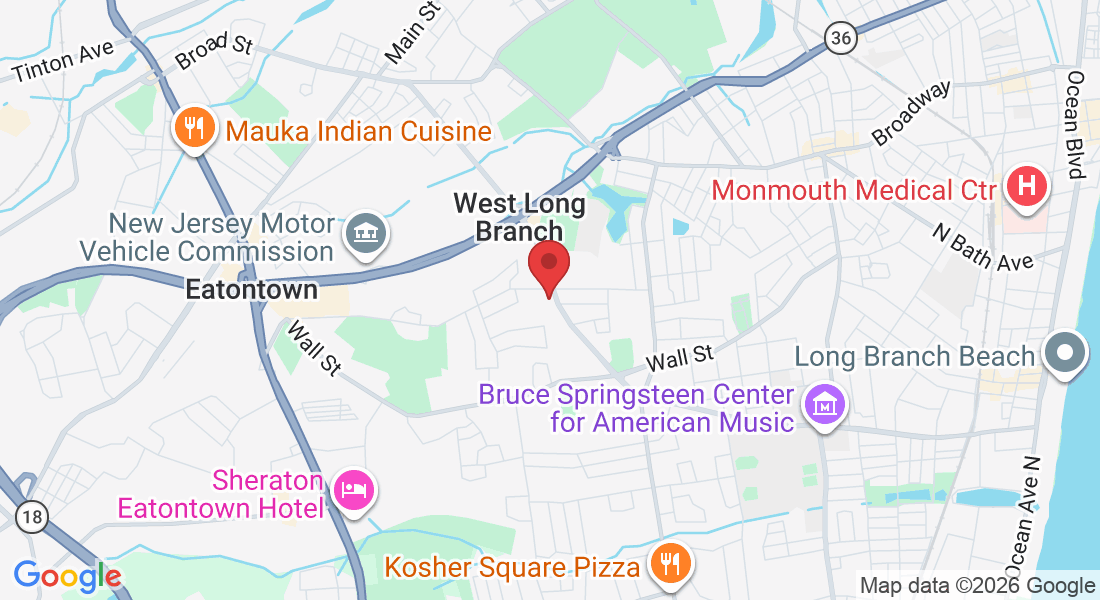
At Better Qualified is a New Jersey-based credit Services Company headquartered in Eatontown, serving local consumers with real expertise not out-of-state call centers. Over the last 20 years, we have fine-tuned and developed a proprietary 6-month intensive program that has proven to be quite effective, yielding incredible results, regardless of your credit situation.
Our team will identify potential errors, inaccuracies, and outdated information on your credit report that may be unfairly lowering your score; dispute inaccurate or unfair reporting; correspond with credit bureaus, creditors, and financial institutions; and if required, engage in other interventions including debt settlement and cease and desist orders.
Transparency matters: Better Qualified does not challenge accurate information our credit repair service is for the removal of inac curate or outdated information, and we do not promise to remove information of any kind.
Ready to dispute a collection account in New Jersey? Contact Better Qualified today for a free credit evaluation. Call (732) 203-7377 to discuss your options and take the first step toward improving your credit.
Frequently Asked Questions
Q1: How long do I have to dispute a collection account in New Jersey?
Send a written dispute within 30 days of receiving the validation notice for full protection though you can dispute credit report inaccuracies anytime.
Q2: Can a collector sue me for an old debt in NJ?
Most debts carry a six-year statute of limitations in New Jersey; after that, collectors cannot sue.
Q3: Can collectors garnish my wages in New Jersey?
No — debt collectors must obtain a court judgment before garnishing wages in New Jersey.
Q4: Does Better Qualified guarantee removal of collections?
No legitimate company can. Under the Credit Repair Organization Act (CROA), credit repair organizations are prohibited from making guarantees that they will remove legitimate negative items or promising a specific timeline. We only dispute inaccurate or unverifiable items.
Q5: How long does the process take?
Our best time frame estimate is typically three to six months, and in some cases up to twelve months.