
Credit Report Error Dispute in New Jersey: A Step-by-Step Guide
If you've spotted an unfamiliar account, a late payment that was never late, or a collection that isn't yours, you can dispute it. Under the federal Fair Credit Reporting Act (FCRA) and New Jersey's own consumer reporting law, credit bureaus are required to investigate errors, usually within 30 days, and correct or remove anything they cannot verify. This guide walks New Jersey residents through the exact process, common mistakes to avoid, and when it makes sense to get professional help.
What Counts as a Credit Report Error?
A credit report error is any inaccurate, outdated, incomplete, or unverifiable item on your Experian, TransUnion, or Equifax file. In New Jersey, the most common examples include accounts that don't belong to you (often from identity mix-ups), payments incorrectly marked late, duplicate collection entries, discharged bankruptcy debts still showing as active, and outdated inquiries. Research cited by consumer advocacy groups has repeatedly found that a large share of credit reports contain at least one inaccuracy, which is exactly why the dispute process exists.
Your Rights Under the FCRA and New Jersey Law
New Jersey consumers are protected on two fronts. Federally, the FCRA gives you the right to dispute any item you believe is inaccurate, and requires the credit bureau to investigate promptly and forward your dispute to the company that reported the information (the "furnisher"). New Jersey's version of this law, found in the state's consumer reporting statute, does not reduce these federal protections. It reinforces them, and the state's Department of Banking and Insurance actively publishes guidance for residents on correcting inaccurate reports.
How to Dispute a Credit Report Error in NJ: Step by Step
1. Pull all three credit reports: Errors often appear on one bureau's file but not the others, so review Experian, TransUnion, and Equifax separately.
2. Document the error: Circle the exact item, note why it's wrong, and gather supporting proof: a payment receipt, a police report for identity theft, or a bankruptcy discharge letter.
3. File disputes with both the bureau and the furnisher: Sending a dispute only to the credit bureau isn't always enough. Contacting the original creditor or collection agency directly strengthens your case and creates a documented paper trail.
4. Track the investigation window: Bureaus generally have 30 days to investigate once they receive your dispute. Keep copies of everything you send and note the date it was mailed or submitted.
5. Escalate if it isn't fixed: If the item is reinserted without notice, or the bureau simply "verifies" it without real investigation, you can file a complaint with the Consumer Financial Protection Bureau or the NJ Department of Banking and Insurance, or seek professional help.
Why DIY Disputes Often Stall
Many New Jersey consumers file a dispute, get a form letter back saying the item was verified, and don't know what to do next. Bureaus aren't required to explain how they verified something, and furnishers frequently rubber-stamp their own reporting. This back-and-forth is where most self-filed disputes lose momentum not because the error isn't real, but because the process wasn't followed through to the point of actual correction.
How Better Qualified Helps New Jersey Residents
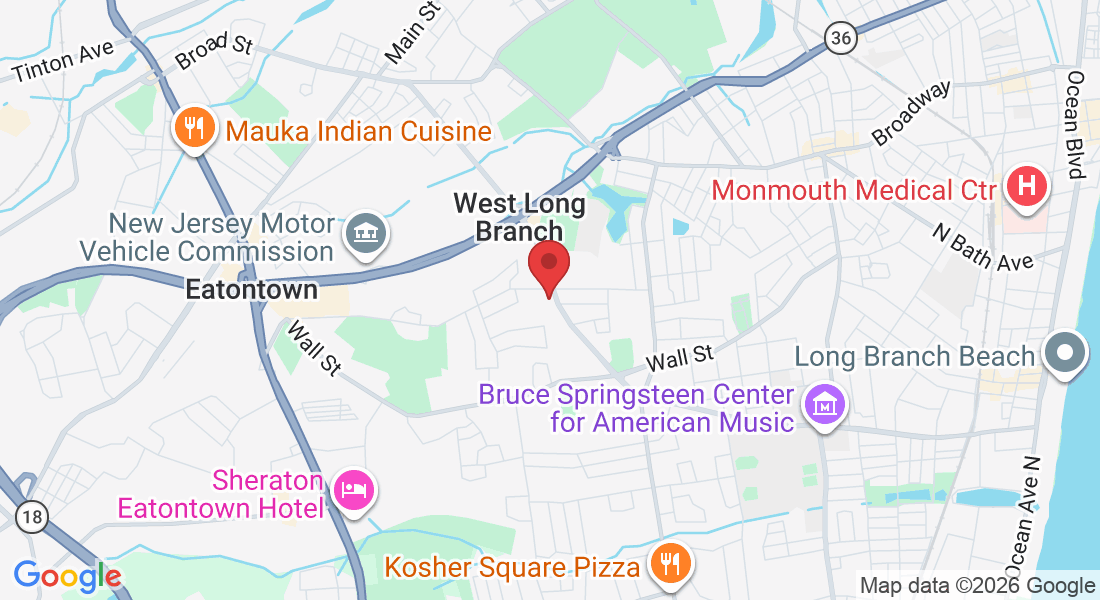
Based in Eatontown, NJ, Better Qualified has worked with consumers on credit report accuracy issues since 2003. Rather than sending a single generic dispute letter, the process involves a full review of your Experian, TransUnion, and Equifax reports, identifying every inaccurate or unverifiable item, and directly corresponding with bureaus, creditors, and furnishers until each item is resolved or escalated appropriately. If you're a New Jersey resident dealing with a stalled dispute or unsure where to start, you can see how the process works or get started with a free credit report review.
FAQ
Q1. How long does a credit bureau have to investigate a dispute in New Jersey?
Generally, 30 days from when the bureau receives your dispute, per the FCRA. This can extend to 45 days if you submit additional information during the investigation.
Q2. Can I dispute a credit report error for free?
Yes. Filing a dispute directly with Experian, TransUnion, or Equifax costs nothing. Many consumers choose professional help when disputes stall or involve multiple complex items.
Q3. What happens if the credit bureau says the item is verified but it's still wrong?
You can request the method of verification, resubmit with stronger documentation, file a complaint with the CFPB or NJ Department of Banking and Insurance, or escalate through legal channels if the FCRA was violated.
Q4. Does disputing an error hurt my credit score?
No. Filing a dispute does not lower your credit score. Only the outcome, correction, or removal, affects your report.
Q5. Can identity theft accounts be removed from my New Jersey credit report?
Yes. With a police report or FTC identity theft affidavit, fraudulent accounts can typically be blocked or removed under FCRA identity theft provisions.
Q6. Is a credit repair company necessary to dispute errors?
Not required, but helpful when disputes are ignored, reinserted, or involve multiple bureaus and furnishers, since professional services manage the full correspondence and follow-up.